
The Impact of Non-Running Races on British Horse Racing
The world of British horse racing is steeped in tradition, excitement, and a rich tapestry of events that attract thousands of spectators and punters alike. However, the phenomenon of races not taking place has increasingly become a topic of discussion, especially in light of the growing interest in British horse racing not on GamStop non GamStop horse racing. This article delves into the implications of races not running, the reasons behind them, and what alternatives are emerging in the horse racing landscape.
Understanding the Landscape of British Horse Racing
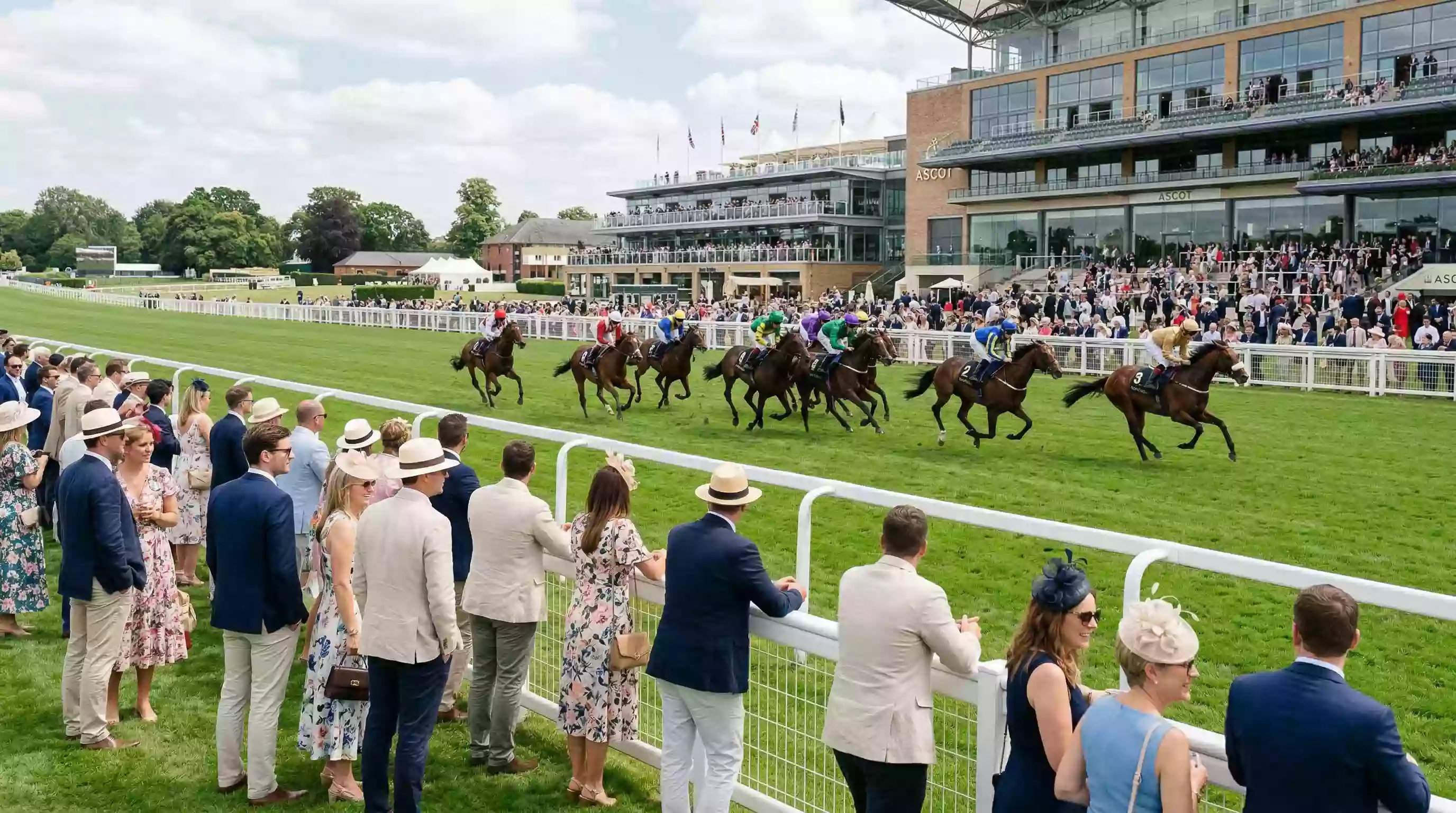
British horse racing is one of the oldest organized sports in the world, with roots tracing back to at least the 16th century. It has evolved significantly over the decades, adapting to changes in society, technology, and audience preferences. Today, it comprises various types of races, including flat racing, jump racing, trot racing, and harness racing, across numerous prestigious venues like Ascot, Aintree, and Epsom Downs.


The Reasons Behind Races Not Running
There are several reasons why races might not be held in British horse racing. These include:
- Weather Conditions: Adverse weather, such as heavy rain or snow, can render the racecourse unsafe for both horses and jockeys.
- Injury and Illness: Horses can be sidelined by injury or illness, leading to insufficient numbers of participating competitors.
- Regulatory Issues: Sometimes races are postponed or canceled due to regulatory compliance, necessitating further investigation into racing conditions or integrity concerns.
- Financial Considerations: Smaller racecourses may struggle with financial viability if ticket sales and sponsorship don’t meet expectations, resulting in cancellations.
Impacts on the Industry
The cancellation of races can have multifaceted impacts:
Economic Consequences
Canceling a race means a direct loss of revenue for racecourses, which rely heavily on ticket sales, hospitality packages, and sponsorships. This impact resonates throughout the community as suppliers and local businesses, which depend on racing events for a portion of their income, also suffer.
Reputation and Fan Engagement
The absence of races can tarnish the reputation of the sport, leading to disappointed fans who may choose to seek alternatives. The growth of non GamStop horse racing as a response to this trend highlights the evolving preferences of punters seeking reliable and exciting betting opportunities.
Impact on Horse Welfare
An area often overlooked is the effect on horse welfare. Horses that miss out on racing due to cancellations may experience changes in their training regimens, which can impact their fitness levels and readiness for future competitions.
Alternatives to Traditional Races
As the landscape changes, horse racing enthusiasts are turning to various alternatives:
Virtual Racing
One of the most exciting developments in horse racing is the rise of virtual racing. This technology-driven alternative simulates races using real statistics and data. While it does not replicate the thrill of live racing, it does offer a betting experience that can be enjoyed from anywhere.
Non-Going Racing
Other offshoots, like the concept of non-going racing, have gained traction as they allow races to occur under different conditions, such as maintaining competitive integrity while maximizing engagement and participation.
The Future of British Horse Racing
While the cancellations of races pose challenges, they also provide an opportunity for the British horse racing industry to innovate. Industry stakeholders must collaborate to find solutions that prioritize the integrity of the sport while ensuring profitability and fan engagement. With the advent of digital technology and alternative betting platforms like non GamStop horse racing, the future of horse racing could be transformed in ways that honor its rich history while adapting to modern consumer demands.
Conclusion
British horse racing is at a crossroads. The cancellations of races not only challenge the status quo but also push the industry toward a future filled with possibilities. It is essential for the community—punters, trainers, and racecourse operators alike—to band together to navigate this evolving landscape. By embracing innovation and adapting to the changing tides of demand, horse racing can continue to thrive, offering excitement and competition for generations to come.