
The Allure of Risk and Reward
The psychological thrill of risk-taking plays a significant role in why players are drawn to casino games. The possibility of winning large sums of money creates an enticing atmosphere where players feel a rush of adrenaline with every spin of the slot machine or flip of a card. This excitement is often enhanced by the instant gratification that comes with the potential for a quick payout, making players eager to engage repeatedly. Interestingly, many are turning to credit card casino online options which add convenience, ensuring that each visit to the casino feels like a gamble on both luck and fate.
Moreover, the rewards systems employed by casinos tap into deep-rooted psychological principles. Not only do monetary rewards pique interest, but the sense of achievement and validation from winning—even small amounts—reinforces a player’s desire to return. This creates a feedback loop where the thrill of possible future wins outweighs the consequences of losses, compelling players to keep trying their luck.
The Role of Environment and Design
The environment within a casino is meticulously crafted to enhance player experience and encourage prolonged engagement. Bright lights, vibrant colors, and immersive sounds work together to create an exhilarating atmosphere designed to keep players entertained. These sensory experiences trigger emotional responses that make time spent in a casino feel exhilarating, further luring participants back for more. Casinos are often designed without clocks or windows, which can distort players’ perception of time, leading them to stay longer than they intended.
Additionally, the layout of casino games is intentionally strategic. Games are positioned in a manner that encourages interaction and socializing among players, which can foster a sense of community and camaraderie. This communal aspect not only makes gambling more enjoyable but also increases the likelihood that players will return to relive these shared experiences.
The Psychological Mechanisms of Loss Aversion
Loss aversion, a concept in behavioral economics, suggests that the pain of losing is psychologically more powerful than the pleasure of gaining. This principle is particularly relevant in the realm of gambling. Players often develop a mindset where they seek to reclaim their losses, leading to a cycle of continued play that can be difficult to break. The emotional attachment to the idea of winning back lost funds can overshadow rational decision-making, prompting individuals to return to the casino in hopes of a turnaround.
Furthermore, casinos employ strategies that exploit this loss aversion by providing incentives such as bonuses and loyalty programs. These offers create a perception of value, making players feel as though they have a chance to win back what they have lost, thus reinforcing their commitment to return. This psychological manipulation can lead to repeated visits, sometimes resulting in a destructive cycle of gambling behavior.
The Influence of Social Interaction and Community
Human beings are inherently social creatures, and the social dynamics present in casino environments significantly contribute to repeat patronage. Many players enjoy the camaraderie found at table games or the buzz of excitement in slot machine areas, where they can interact with others. This social aspect not only enhances the gambling experience but also provides a sense of belonging that can be addictive in itself.
Additionally, casinos often host events and tournaments, encouraging communal participation and competition among players. Such interactions can foster lasting friendships, as players bond over shared experiences and strategies, leading to an emotional attachment to the casino itself. This sense of connection further cultivates a desire to return, as players seek to maintain their social networks and enjoy the thrill of competition.
Understanding Casino Websites and Their Impact
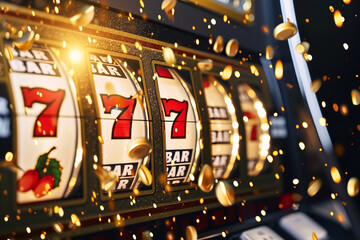
With the rise of online gambling, the psychology behind casino games has expanded to digital platforms. Virtual casinos mimic the sensory experiences of physical establishments through engaging graphics and interactive user interfaces. These platforms are designed to keep players online, using techniques that mirror those of traditional casinos, such as reward systems and immersive environments.
Moreover, the convenience of online casinos adds another layer to player loyalty. The ability to access games from anywhere at any time removes barriers to participation, encouraging more frequent play. Players can find community through online forums and social features, which serve to reinforce their commitment to the platform. This interconnectedness between technology and psychology is crucial for understanding why players keep coming back to both online and brick-and-mortar casinos.