

The Rise of Global Gambling Operators: A Comprehensive Overview
The global gambling industry has evolved dramatically over the past few decades, driven by technological advancements, regulatory changes, and shifting consumer preferences. Today, global gambling operators not only dominate local markets but also cater to a diverse international audience, shaping the future of gaming worldwide.
Historical Context
The concept of gambling can be traced back thousands of years, with ancient civilizations like the Chinese, Egyptians, and Romans engaging in various forms of betting. However, the modern landscape of global gambling began to take shape in the 20th century with the legalization of casinos in several jurisdictions, particularly in Las Vegas and Atlantic City. This laid the groundwork for the growth of large, organized gambling entities that would eventually encompass a range of betting options, from traditional casinos to online gaming platforms.
The Boom of Online Gambling
The internet revolutionized the gambling industry, allowing operators to offer services globally without the need for physical establishments. The introduction of online casinos in the late 1990s marked a significant turning point, providing players with the convenience of gambling from the comfort of their homes. Today, leading global operators such as DraftKings, Bet365, and Entain have established a formidable presence in the online market, leveraging sophisticated technologies to enhance user experience.
Market Dynamics and Players
The global gambling market is characterized by a multitude of players, ranging from traditional casinos to innovative online platforms. Key operators such as MGM Resorts, Caesars Entertainment, and 888 Holdings compete fiercely, focusing on brand loyalty, customer service, and a diverse range of products such as sports betting, poker, and slots. Market dynamics also vary significantly across regions, influenced by local regulations, cultural attitudes towards gambling, and economic conditions.
Regulatory Landscape
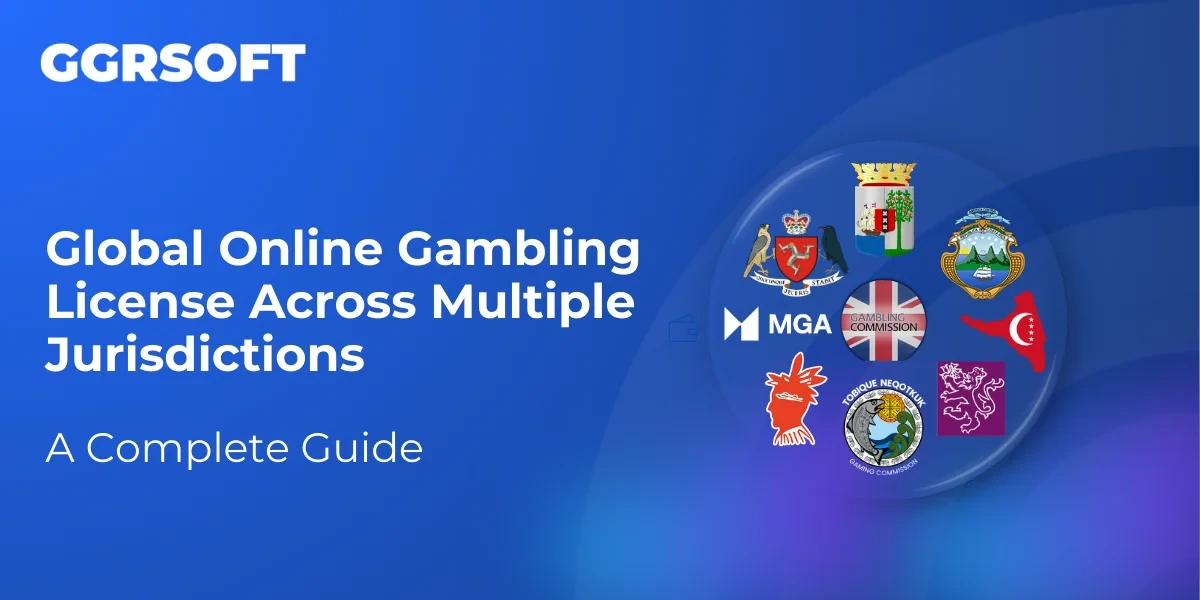
The regulation of gambling operations is complex, often leading to inconsistencies that challenge operators. In many jurisdictions, gambling laws vary significantly, influencing how global operators navigate compliance requirements. For instance, while some countries like the UK and Malta embrace a well-regulated gaming environment, others maintain strict restrictions or outright bans on gambling activities. This regulatory patchwork necessitates that global operators establish robust legal frameworks to protect their interests while ensuring responsible gambling practices.
Technology and Innovation
The impact of technology on the gambling industry cannot be understated. Advances in mobile technology have led to the proliferation of gambling apps, making it easier for consumers to bet on the go. Furthermore, innovations like virtual reality (VR) and augmented reality (AR) are beginning to transform the gambling experience, offering more immersive environments. Artificial intelligence (AI) plays a significant role in enhancing security measures, personalizing user experiences, and responsible gaming. Global operators invest heavily in technology to stay ahead of the competition and meet evolving consumer expectations.
Responsible Gambling Initiatives
With the growth of the gambling industry, there has been an increasing focus on promoting responsible gambling. Global operators are implementing comprehensive responsible gambling policies aimed at protecting vulnerable players. These initiatives include self-exclusion programs, deposit limits, and the provision of educational resources on gambling addiction. Collaboration with regulatory bodies and NGOs is also crucial in raising awareness and fostering a safer gambling environment.
Challenges Ahead
Despite their success, global gambling operators face numerous challenges. Regulatory uncertainty, changing consumer preferences, and increased competition from unregulated markets pose significant risks. Moreover, the rise of alternative entertainment options, such as esports and online gaming, may divert attention away from traditional gambling activities. Operators must continuously adapt and innovate to overcome these hurdles and maintain a competitive edge.
Future Trends in Gambling
As we look to the future, several trends are likely to shape the global gambling landscape. The continued growth of mobile gaming and online betting platforms is expected to dominate the market, with live dealer games gaining popularity. Additionally, the integration of blockchain technology may provide new opportunities for transparency and security in transactions. Moreover, as societal attitudes evolve, we may see further pushes towards legalization in regions previously resistant to gambling.
Conclusion
The landscape of global gambling operators is continually evolving, marked by significant advancements in technology and a complex regulatory environment. As these operators navigate challenges and opportunities, their capacity for innovation will be crucial

in shaping the future of gambling. The global gambling industry is poised for continued growth as it adapts to modern consumer needs and embraces responsible practices, ensuring a vibrant and sustainable betting ecosystem.