
Can mathematical models actually improve your chances in gambling?
The Role of Mathematical Models in Gambling
Mathematical models have been used in various fields to enhance decision-making, and gambling is no exception. These models rely on statistical analyses and probabilities to estimate the outcomes of different betting scenarios. By applying these mathematical principles, gamblers can theoretically improve their understanding of the game’s dynamics and make more informed decisions.
One of the most notable aspects of mathematical modeling in gambling is its ability to identify patterns and calculate odds. For instance, through simulations, players can analyze the likelihood of winning in various situations, equipping them with the knowledge needed to navigate complex betting environments effectively. You can explore various opportunities at the best online casino.

The application of mathematical models extends beyond simple odds calculations. Players can utilize simulations to gauge potential outcomes in real time, considering both their strategies and those of their opponents. This dual perspective not only enhances a player’s decision-making abilities but fosters a more strategic approach to gambling overall. As technology continues to evolve, the integration of advanced algorithms and artificial intelligence in modeling may yield even more precise insights, paving the way for an exciting future in gambling strategies.
Different Types of Mathematical Techniques Used
There are several mathematical techniques employed to enhance gambling strategies, including probability theory, statistics, and game theory. Probability theory allows gamblers to evaluate the chances of specific outcomes occurring, enabling them to weigh their options better. This fundamental understanding is crucial, especially in games like poker or blackjack, where the odds can shift dramatically based on players’ actions.
Statistics plays a vital role as well, as it helps gamblers interpret data effectively. By analyzing historical results, players can spot trends or anomalies that could impact their betting decisions. Game theory further enriches mathematical modeling by offering insights into the strategies of other players, allowing gamblers to adapt their approaches and stay ahead of the competition.
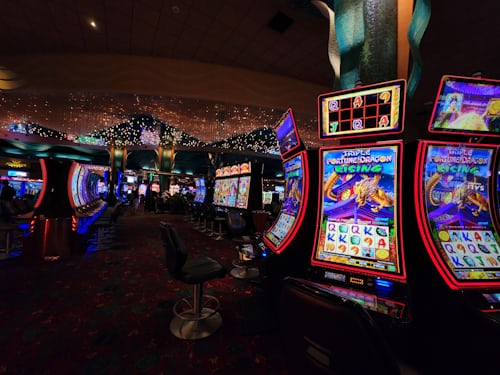
Moreover, each technique serves a specialized purpose. Probability theory is foundational, teaching gamblers to understand the likelihood of various outcomes. Statistics enables them to refine their approaches by drawing on empirical data. Game theory delves deeper, providing strategies for interaction between players, very relevant in competitive settings. Together, these mathematical techniques offer a comprehensive toolkit for gamblers aiming to maximize their chances of success.
Limitations of Mathematical Models in Gambling
While mathematical models can significantly aid decision-making, they are not foolproof. One major limitation is the inherent unpredictability of many gambling games. Factors such as human behavior, changes in rules, and external influences can render even the most sophisticated models ineffective. Consequently, relying solely on mathematics may lead to overconfidence and poor decision-making.
Additionally, many gambling environments are designed to favor the house. Casinos and betting platforms often have built-in advantages, making it challenging for mathematical models to compensate fully. Thus, even with advanced modeling techniques, success may not be guaranteed, emphasizing the importance of responsible gambling practices.
Moreover, the variance in game performance must be acknowledged. Even with impeccable strategies in place, short-term results can be disproportionately influenced by luck or chance. Therefore, while mathematical models can enhance a player’s insight and help in making educated bets, they cannot alter the fundamental nature of chance that governs games of chance. Thus, it becomes imperative for gamblers to maintain a balanced perspective on expectations versus reality in the gambling landscape.
Real-World Applications and Success Stories
There are several documented instances where mathematical models have improved gambling outcomes. A famous example is the MIT Blackjack Team, who applied innovative mathematical strategies to gain an edge over casinos. By using card counting techniques combined with statistical modeling, they significantly increased their chances of winning, resulting in substantial profits.
Similarly, sports betting analytics has gained momentum in recent years, with many bettors employing sophisticated models to forecast game outcomes. Data-driven predictions can consider multiple variables, enhancing the chances of making successful wagers. However, it is crucial to understand that while these success stories exist, consistent wins are rare and require not only mathematical prowess but also discipline and strategy.
It is also worth noting that many successful bettors combine mathematical strategies with psychological insights. Recognizing patterns in opponents’ behaviors or understanding emotional triggers can also play a pivotal role in strategic betting. Thus, the intersection of math, psychology, and strategy can create a multi-faceted approach, amplifying the effectiveness of gambling models and enhancing overall decision-making.
About Our Website
Our platform is dedicated to providing valuable insights and resources for both beginners and seasoned gamblers looking to enhance their game. We focus on demystifying various gambling strategies, including the role of mathematical models, to help our readers make more informed decisions.
By offering expert analyses and comprehensive guides, we strive to enrich your gambling experience. Join us to explore the exciting intersection of mathematics and gambling, tailored to elevate your understanding and possibly your chances of success.